


September 2026
PEUGEOT Plug-In Hybrid Cars in the UK: 3008 SUV and 408 Fastback
For buyers considering a PEUGEOT plug-in hybrid SUV, the main factors to compare are electric driving range, charging access, boot space, towing needs and overall running costs.

Why Choose a Plug-In Hybrid
Models such as the PEUGEOT 3008 Plug-In Hybrid SUV and PEUGEOT 408 Plug-In Hybrid Fastback are designed for drivers who want electrified everyday driving with petrol flexibility for longer trips.
Exact electric range, CO2 emissions and Benefit-in-Kind treatment depend on version and tax year, so check the latest validated PEUGEOT UK and HMRC information before publication.
This guide explores how plug-in hybrids compare with other hybrid systems, what to look for when choosing a PHEV, and how the 3008 Plug-In Hybrid and 408 Plug-In Hybrid Fastback suit different driving needs.
PHEV, MHEV, Self-Charging: What’s Actually the Difference?
A plug-in hybrid differs from mild and self-charging hybrids because it can be charged from an external power source and can drive for a limited distance on electric power alone.
| System | How it works | Best suited to |
|---|---|---|
| PHEV (plug-in hybrid) |
|
|
| MHEV (mild hybrid) |
|
Drivers who want a simple hybrid option without charging. |
The key point is that plug-in hybrid models need to be charged to get the best from their electric range. If charging is not convenient, another hybrid or petrol option may be more suitable.
When comparing PHEV and MHEV systems, consider how often you can charge, how long your typical journeys are, and whether you need electric-only driving for local trips.
Five Criteria for Choosing the Best PHEV in the UK
| Criteria | Why it matters |
|---|---|
| Electric range | Helps cover short journeys with reduced petrol use when the vehicle is charged. |
| Charging access | Home or workplace PHEV charging makes a PHEV easier to use efficiently. |
| Boot space | SUV buyers often need room for family, luggage or work equipment. |
| Towing capacity | Important if you tow a trailer, bike carrier or caravan. |
| Running costs | Costs depend on electricity prices, petrol use, tax rules and charging habits. |
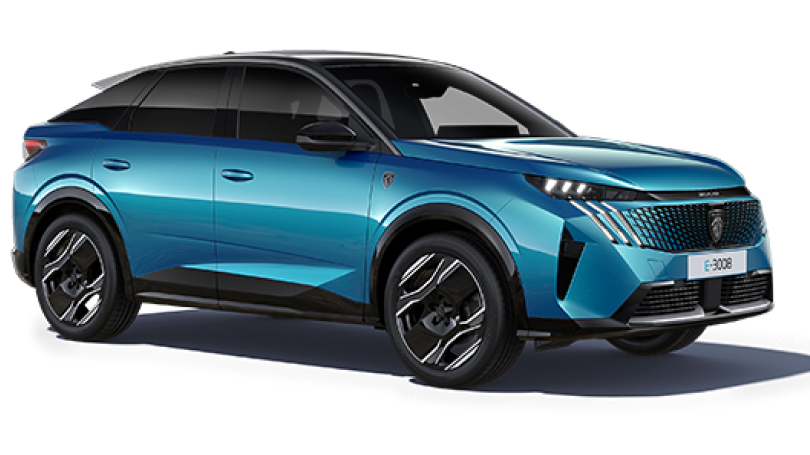
The PEUGEOT 3008 Plug-In Hybrid SUV
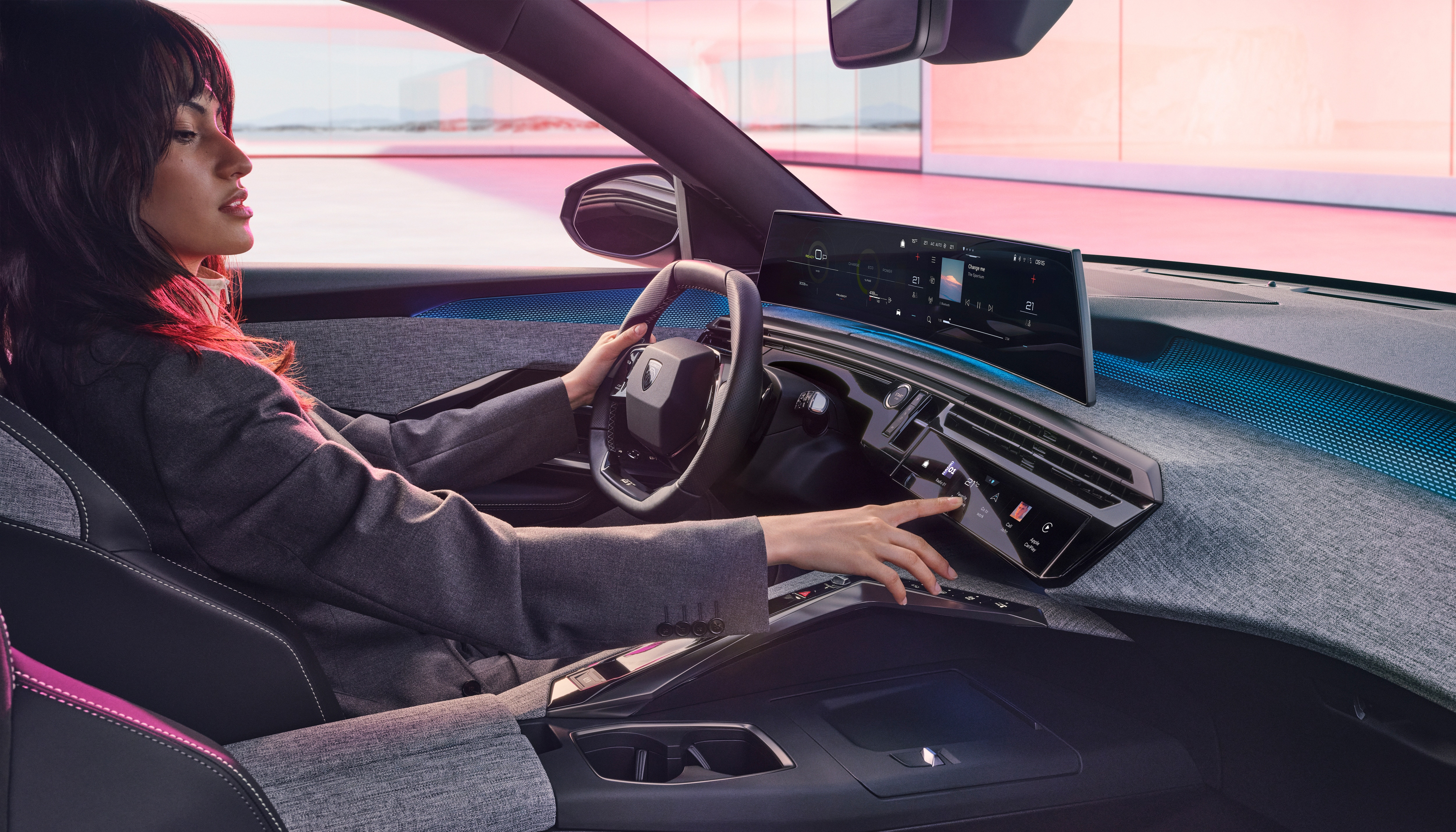
With its elevated driving position, spacious interior and practical boot, it offers a comfortable, adaptable option for both family life and business travel.
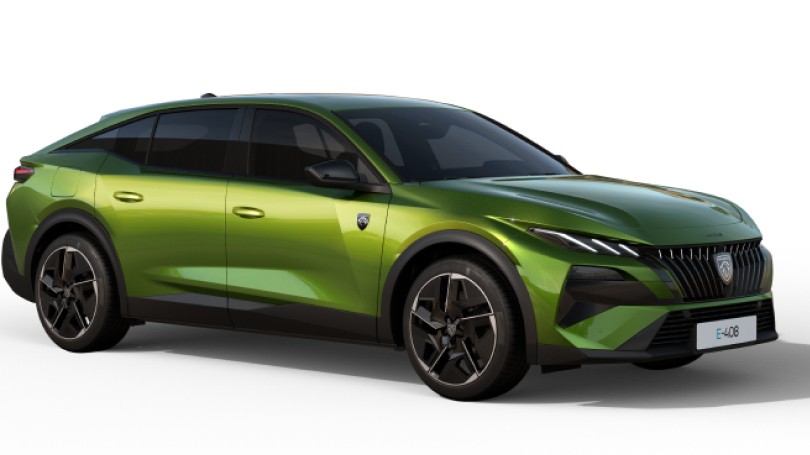
The PEUGEOT 408 Plug-In Hybrid: Range, Comfort and Practicality
Well suited to mixed driving, it offers a versatile option for daily commutes, motorway journeys and weekend getaways. Regular charging helps maximise the benefits of electric driving, particularly on shorter journeys, while the hybrid powertrain provides flexibility for longer trips.
| Feature | PEUGEOT 3008 Plug-In Hybrid | PEUGEOT 408 Plug-In Hybrid |
|---|---|---|
| Body style | SUV | Fastback-inspired model |
| Best for | Drivers prioritising SUV practicality | Drivers wanting a sleeker design with everyday usability |
| Charging preference | Regular home or workplace charging | Regular home or workplace charging |
Plug-In Hybrids on the Motorway: What Happens After the Battery Range Has Run Out?
On longer motorway journeys, a plug-in hybrid will use petrol once the available electric range has been used. The electric motor may still support the drive, but fuel economy will depend on speed, load, weather, route and how much charge is available.
For drivers who mainly complete short daily trips and can charge often, a PHEV can reduce petrol use. For drivers who regularly complete long journeys without charging, the benefit may be less noticeable.