


September 2026
Your Essential Guide to Electric Vans in the UK: PEUGEOT E-PARTNER, E-EXPERT and E-BOXER
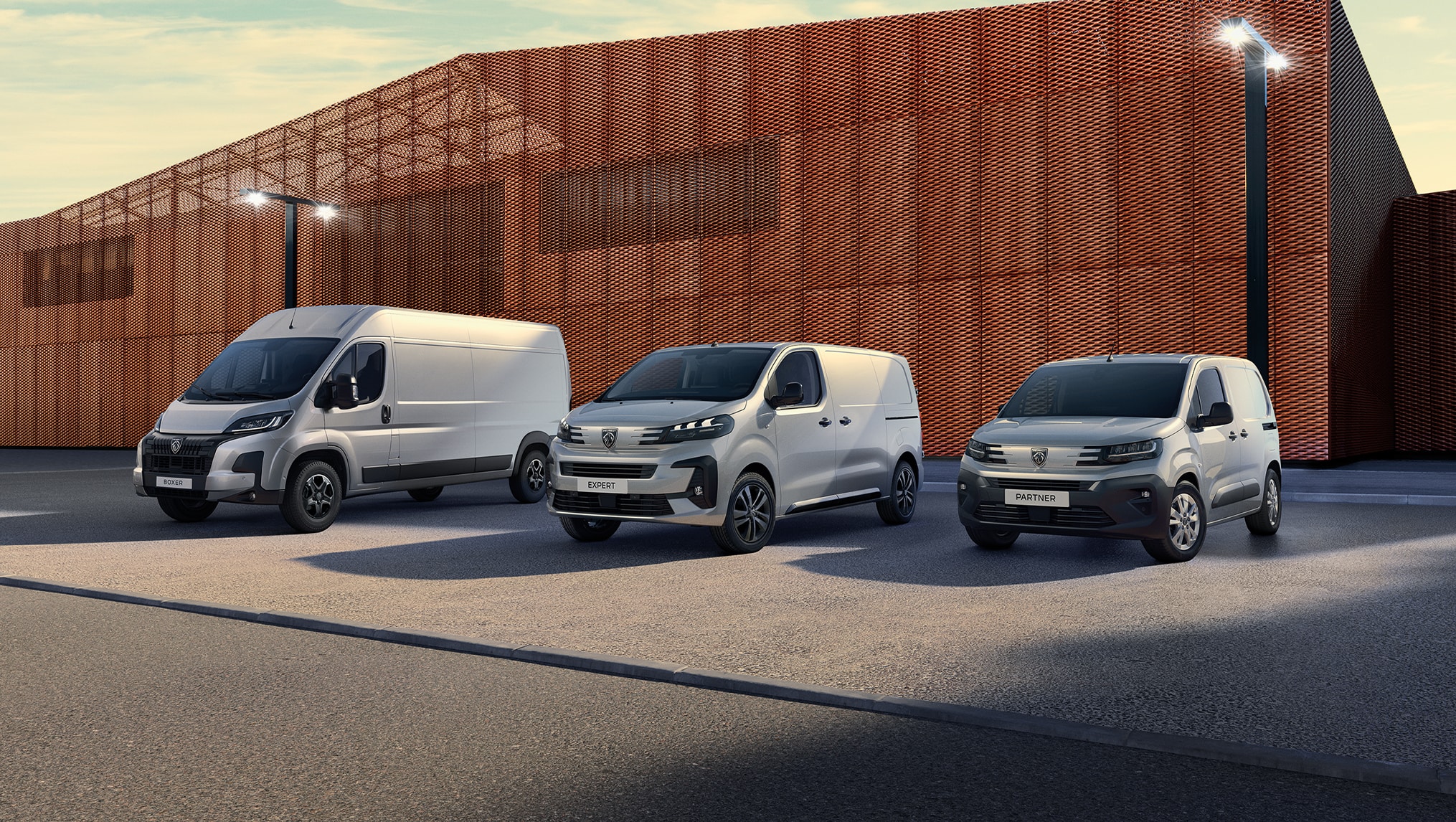
Choosing the right electric van can transform how your business works. This guide compares the PEUGEOT E-PARTNER, E-EXPERT and E-BOXER across range, payload, load space, charging and everyday practicality, helping you match the right model to your routes, workload and budget
Why switch to an electric van in the UK?
A PEUGEOT electric van can help reduce tailpipe emissions, support smoother city driving and lower day-to-day running costs, depending on your mileage, charging access and electricity tariff.
Cost savings & running costs
Charging an electric van can be cheaper than refuelling with petrol or diesel, particularly if you use off-peak, electricity at home or a workplace charger.
With fewer moving parts than a combustion engine, an electric van may also mean lower maintenance needs and less downtime, while eligible businesses may benefit from tax incentives or support for charging infrastructure.
Environmental benefits
With zero tailpipe emissions, a PEUGEOT electric van is well suited to clean air zones and urban delivery routes. Quieter driving, reduced vibration and smoother acceleration can also make busy working days feel easier for drivers.
What should I look for when choosing an electric van?
Compare payload, daily mileage, available load space, workplace charging convenience and route types to pick the right electric van for your business.
Range & charging
Start with your daily mileage, then compare it with the WLTP range of the van you’re considering. Home or workplace charging will usually be most convenient, while public charging can support longer routes or occasional journeys outside your usual operating area.
Payload & practicality
Check payload, load space and seating against the tools, stock, racking and passengers you normally carry. Weight can affect real-world range, so choose a van with enough headroom for your busiest days, not just your average workload.
Leasing vs buying
Business van leasing can suit those that want fixed monthly payments, set terms and the flexibility to change vehicles at the end of the agreement. Buying may be better if you plan to keep the van long term, cover high annual mileage or need permanent specialist conversions.Compare deposits, total cost, mileage limits, servicing, insurance and end-of-contract fees before deciding.
Which PEUGEOT electric van is best for UK businesses?
The best electric van depends on your routes, load requirements and charging routine. Use the range below as a starting point, then compare each model against your real working day.
Best for range
PEUGEOT’s electric van range supports everything from city deliveries to larger commercial operations:
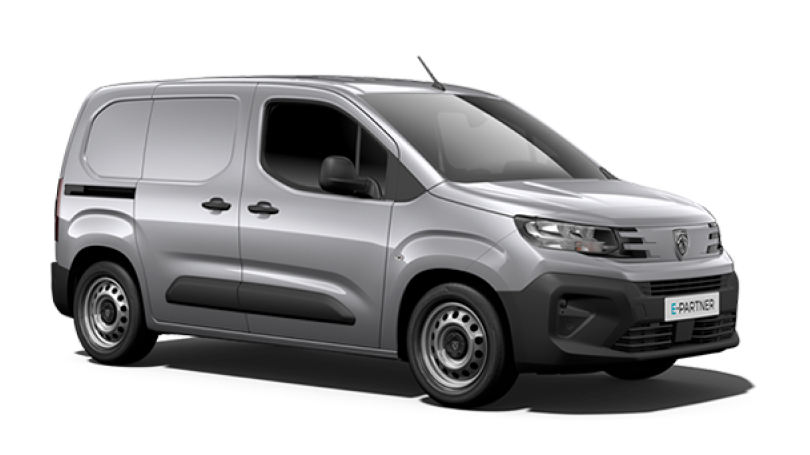
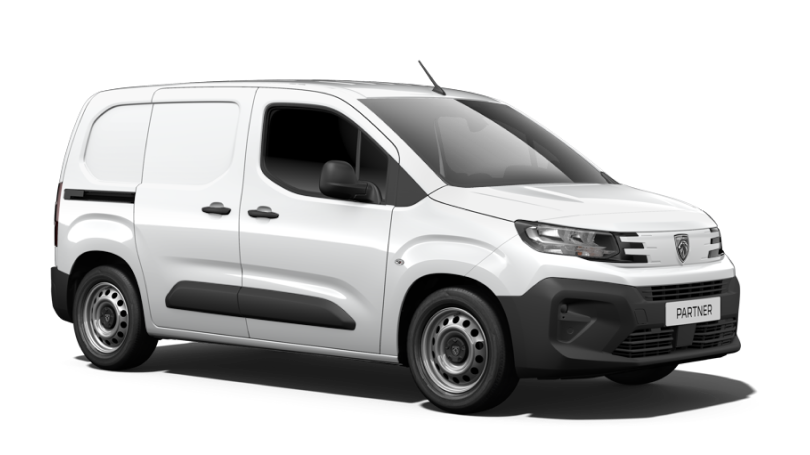
- The PEUGEOT E-PARTNER offers up to 213 miles* WLTP, ideal for everyday deliveries and service visits
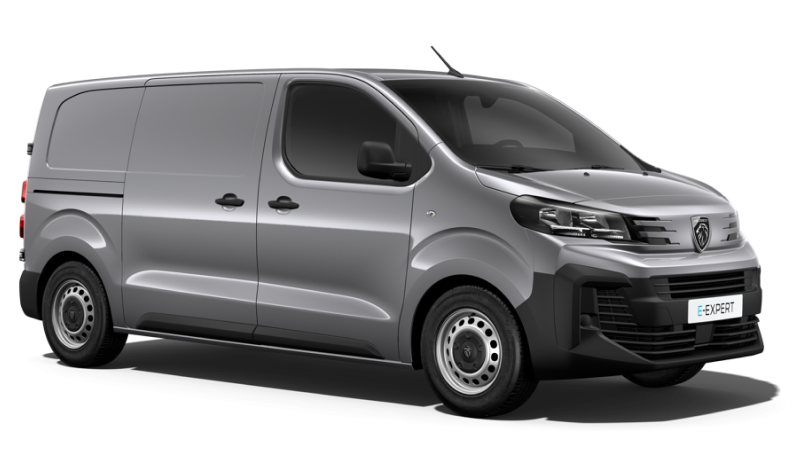
- The PEUGEOT E-EXPERT offers up to 230 miles** WLTP for daily deliveries and regional journeys
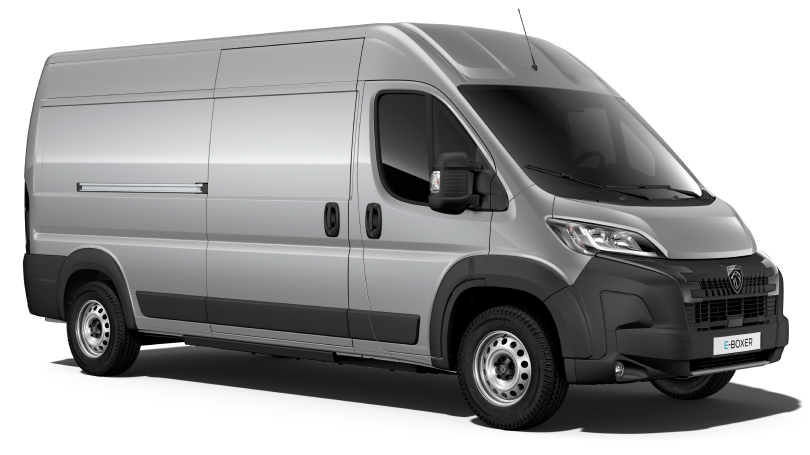
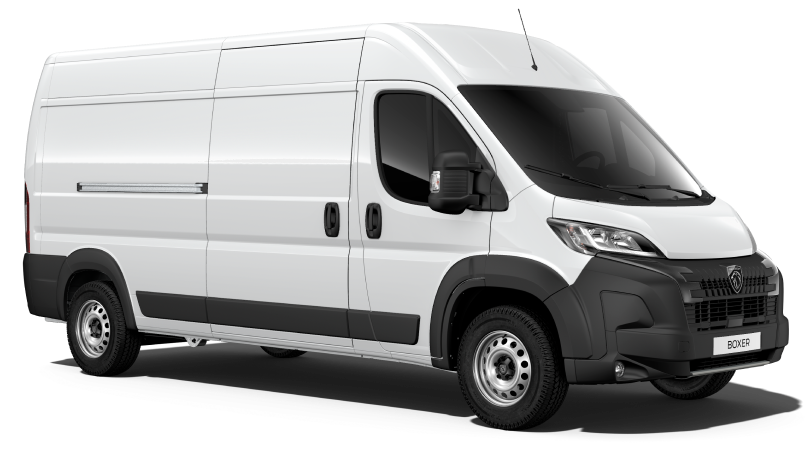
- The PEUGEOT E-BOXER offers up to 263 miles^ WLTP for larger loads and multi-stop operations.
Best for city use
The PEUGEOT E-PARTNER is especially suited to city use thanks to its compact size and easy manoeuvrability. The E-EXPERT adds more load space while remaining practical for urban and regional work.
Comparing total cost of ownership
Assess value through total cost of ownership, not purchase price alone. Include finance, electricity, servicing, insurance, charging infrastructure, payload and annual mileage.
Government support may be available, but schemes and eligibility can change. Check the latest GOV.UK guidance and current PEUGEOT Business offers before calculating savings.
Compare PEUGEOT electric vans by business use
Compare range, payload, load space and everyday practicality to decide which PEUGEOT electric van fits your business.
PEUGEOT E-PARTNER: your compact van for everyday business
The PEUGEOT E-PARTNER is built for urban deliveries, service calls and daily operations. Its smaller footprint helps on busy streets and in tight parking spaces, while a payload of up to 759kg supports tools, equipment and goods. With up to 213 miles* WLTP electric range, it can cover many typical working days with confidence.
PEUGEOT E-EXPERT: your versatile mid-size van
The PEUGEOT E-EXPERT is a mid-size option for tradespeople, fleet operators and businesses needing more load-carrying ability without moving to a large van. It offers up to 230 miles* WLTP electric range and payload of up to 1,263kg(1), making it suitable for deliveries, service visits and regional journeys.
PEUGEOT E-BOXER: your fleet’s large van
The PEUGEOT E-BOXER is designed for large loads and high-volume operations. Available in four lengths, it offers up to 17m³ load space and up to 263 miles^ WLTP range, making it a strong choice for logistics, construction, specialist conversions and commercial contracts.
What affects an electric van’s driving range?
Official WLTP figures are useful for comparing models, but real-world range depends on payload, speed, route, temperature, tyre condition, driving style and heating or air-conditioning use. To estimate likely range, compare official figures with your usual routes and typical load, then allow extra margin for traffic, detours and seasonal changes.
FAQs
*The fuel consumption or electric range achieved, and CO2 produced (where applicable), in real world conditions will depend upon a number of factors including, but not limited to: the accessories fitted (pre and post registration); the starting charge of the battery; variations in weather; driving styles and vehicle load. The E-Partner is a battery electric vehicle requiring mains electricity for charging. The WLTP (Worldwide Harmonised Light Vehicles Test Procedure) is used to measure fuel consumption, electric range and CO2 figures. Figures shown are for comparison purposes and should only be compared to the fuel consumption, electric range and CO2 values of other cars tested to the same technical standard. For comparison purposes only. Official Fuel Consumption in MPG (l/100km) and CO2 emissions (g/km) for the E-Partner range are: Combined N/A (N/A) and CO2 0g/km. Equivalent All Electric Range: up to 213 miles. Range achieved in real world may differ according to factors such as accessories fitted, battery condition, weather, driving style and vehicle load.
** The fuel consumption or electric range achieved, and CO2 produced (where applicable), in real world conditions will depend upon a number of factors including, but not limited to: the accessories fitted (pre and post registration); the starting charge of the battery; variations in weather; driving styles and vehicle load. The E-Expert is a battery electric vehicle requiring mains electricity for charging. The WLTP (Worldwide Harmonised Light Vehicles Test Procedure) is used to measure fuel consumption, electric range and CO2 figures. Figures shown are for comparison purposes and should only be compared to the fuel consumption, electric range and CO2 values of other cars tested to the same technical standard. For comparison purposes only. Official Fuel Consumption in MPG (l/100km) and CO2 emissions (g/km) for the E-Expert range are: Combined N/A (N/A) and CO2 0g/km. Equivalent All Electric Range: up to 230 miles. Range achieved in real world may differ according to factors such as accessories fitted, battery condition, weather, driving style and vehicle load.
^The fuel consumption or electric range achieved, and CO2 produced (where applicable), in real world conditions will depend upon a number of factors including, but not limited to: the accessories fitted (pre and post registration); the starting charge of the battery; variations in weather; driving styles and vehicle load. The E-BOXER is a battery electric vehicle requiring mains electricity for charging. The WLTP (Worldwide Harmonised Light Vehicles Test Procedure) is used to measure fuel consumption, electric range and CO2 figures. Figures shown are for comparison purposes and should only be compared to the fuel consumption, electric range and CO2 values of other cars tested to the same technical standard. For comparison purposes only. Official Fuel Consumption in MPG (l/100km) and CO2 emissions (g/km) for the E-Boxer range are: Combined N/A (N/A) and CO2 0g/km. Equivalent All Electric Range: 235 - 263 miles. Range achieved in real world may differ according to factors such as accessories fitted, battery condition, weather, driving style and vehicle load.
(1) Payloads may vary according to the final configuration of the vehicle