



Benefits of a plug-in hybrid
Plug-in hybrids known as plug-in hybrid vehicles (PHEV) have a huge amount of benefits, from environmental to economic. Hybrids take a step into the all-electric driving world without the aspects that may put people off buying a fully electric vehicle.
Find the key benefits of hybrids below as well as the differences between plug-ins and full or mild hybrids.
A plug-in hybrid utilises a battery charged by an external power source whereas a full or mild hybrid converts small amounts of electric power from the vehicle. This energy charges a small battery and is used to power the vehicle for a short distance.
Full and mild hybrids are much more convenient as they don’t require a plug-in power source, however, the electric power is usually only available for a short time. Whereas, plug-in hybrids offer a much greater electric range, on average around 40 miles.
Below, you’ll find the key benefits of plug-in hybrid vehicles.
Plug-in hybrid vehicles benefit from lower CO2 emissions, especially when it comes to shorter trips. Utilising electricity rather than petrol or diesel helps reduce your carbon footprint and overall environmental impact.
Plug-in hybrids create a perfect balance of electric charge and a combustion engine. Unlike fully electric vehicles, they can also utilise petrol or diesel removing “range anxiety”, a common factor that can be off-putting for people thinking of switching to an EV.
For shorter trips, a plug-in hybrid will prioritise the electric charge but you also have the benefit of traditional fuel, removing the necessity for planning trips around charging stations.
Plug-in hybrids are able to boost their own charge through regenerative braking. This helps to recharge the battery for further electric power.
As electricity is the main fuel source for shorter journeys, your fuel costs will be cheaper and the vehicle more fuel-efficient. Electric charge is more affordable than topping up at a petrol station, helping to cut your costs.
Some electric charges are also free of charge, again helping you save money. Some hybrids also qualify for low emission rates when travelling through areas with a congestion charge.
Plug-in hybrid vehicles benefit from personal and business tax cuts due to the lower environmental impacts compared to vehicles with an internal combustion engine. Both road tax and benefit in kind (BiK) are lower for plug-in hybrid vehicles as they’re based on CO2 emissions.
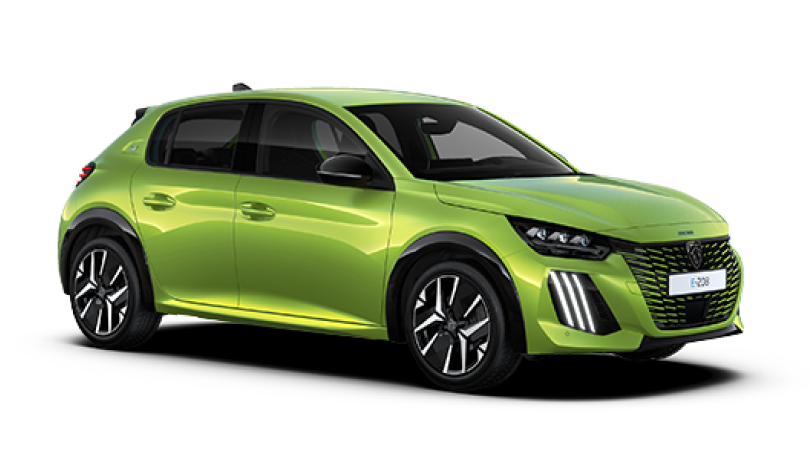
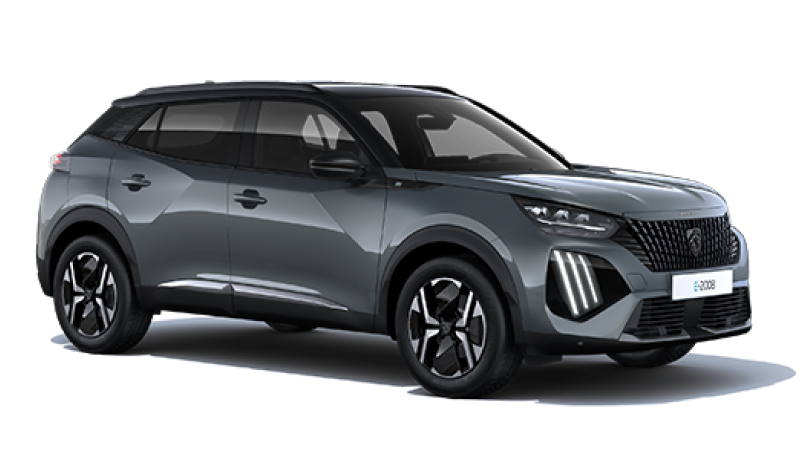
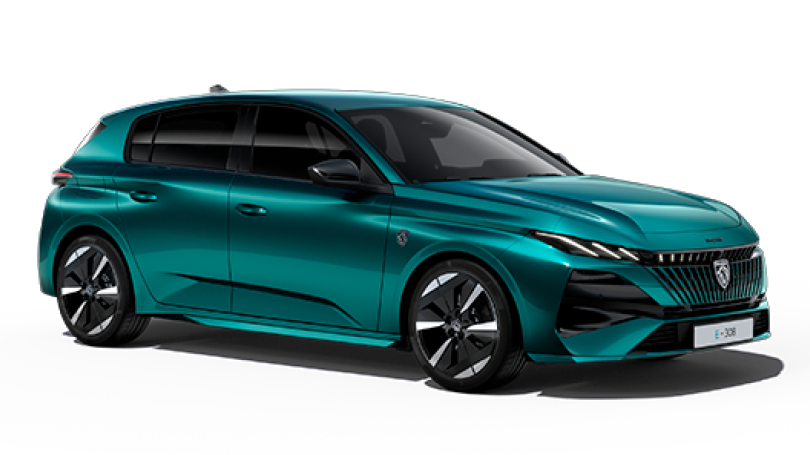
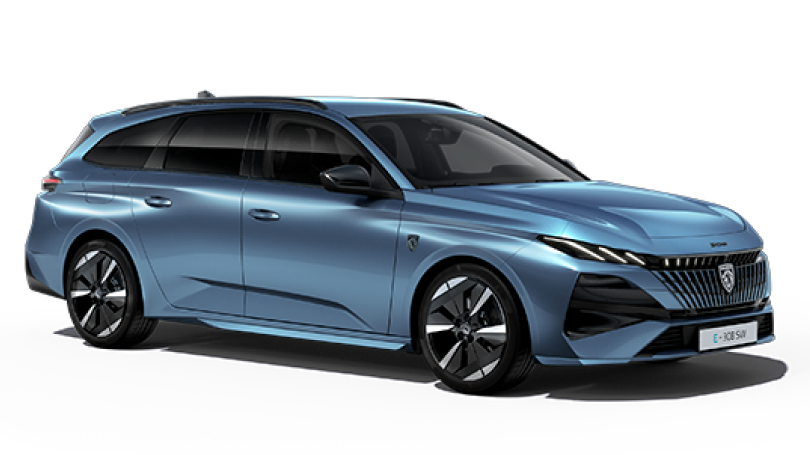
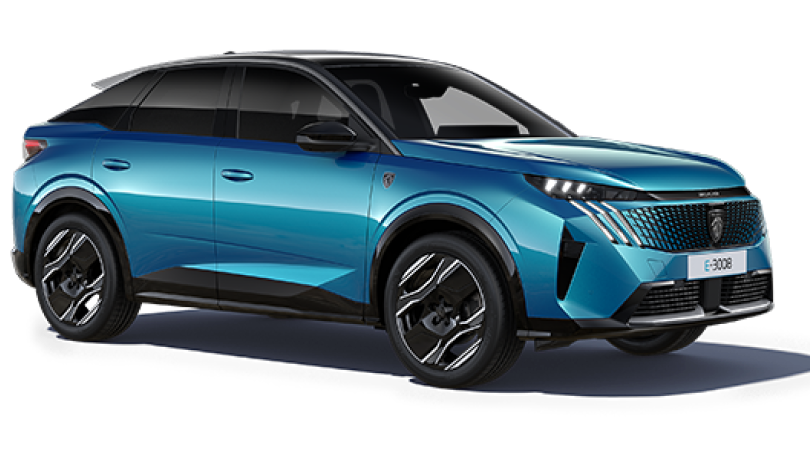
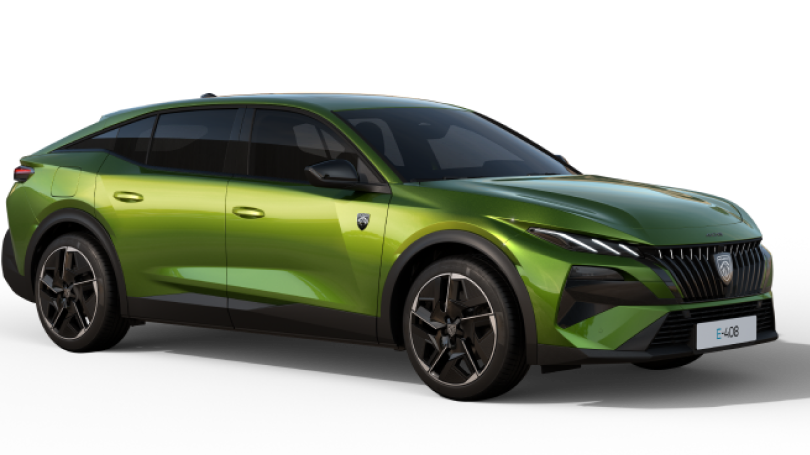
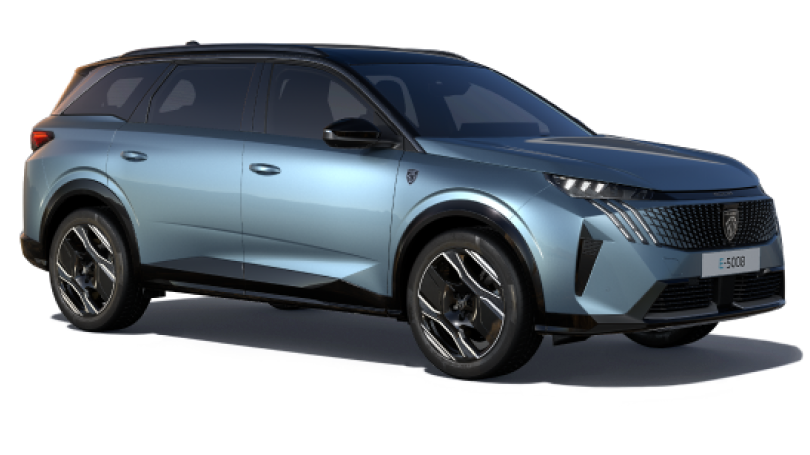
The plug-in hybrid range currently features the Peugeot 308 and 308 SW, Peugeot 3008 and Peugeot 3008. For the latest hybrid releases, visit our plug-in hybrid range.
When using the all-electric power of a plug-in hybrid, you’ll benefit from little to no vehicle noise as well as a smooth and steady drive. All-electric power creates no engine vibrations resulting in a steady drive.
Although there are many positives to choosing a plug-in hybrid, there are a couple of things to consider.
If you exclusively travel long distances, you can quickly deplete the electric charge. You then have the extra weight of the battery which can be more of a drain on your petrol or diesel.
The cost of buying a plug-in hybrid may be more expensive upfront, however, this can be saved in the long run on shorter trips.
With any vehicle that needs an electric charge, it’s recommended that you have a power source in your home. This can be either a domestic plug socket or a dedicated charger, ideally a charger. To install a charger, you must have a dedicated parking space with access to electricity.